In today’s fast-paced, interconnected world, business marketing is more than just an essential function; it’s the lifeblood of any organization. Whether you’re a startup or an established company, marketing plays a crucial role in driving growth, building brand recognition, and fostering customer loyalty. However, the landscape of marketing has dramatically evolved over the past few years, with technology and consumer behavior shaping how businesses connect with their audience.
Understanding Business Marketing
At its core, business marketing involves the strategies and tactics that a company uses to promote its products or services to potential customers. The goal is simple: to increase sales, grow market share, and establish long-term relationships with customers. However, the ways in which businesses market their offerings have changed significantly.
Traditional marketing methods like print ads, TV commercials, and billboards are no longer enough to engage modern consumers. In the digital age, businesses must embrace new channels, tools, and approaches to stay competitive.
The Digital Revolution in Marketing
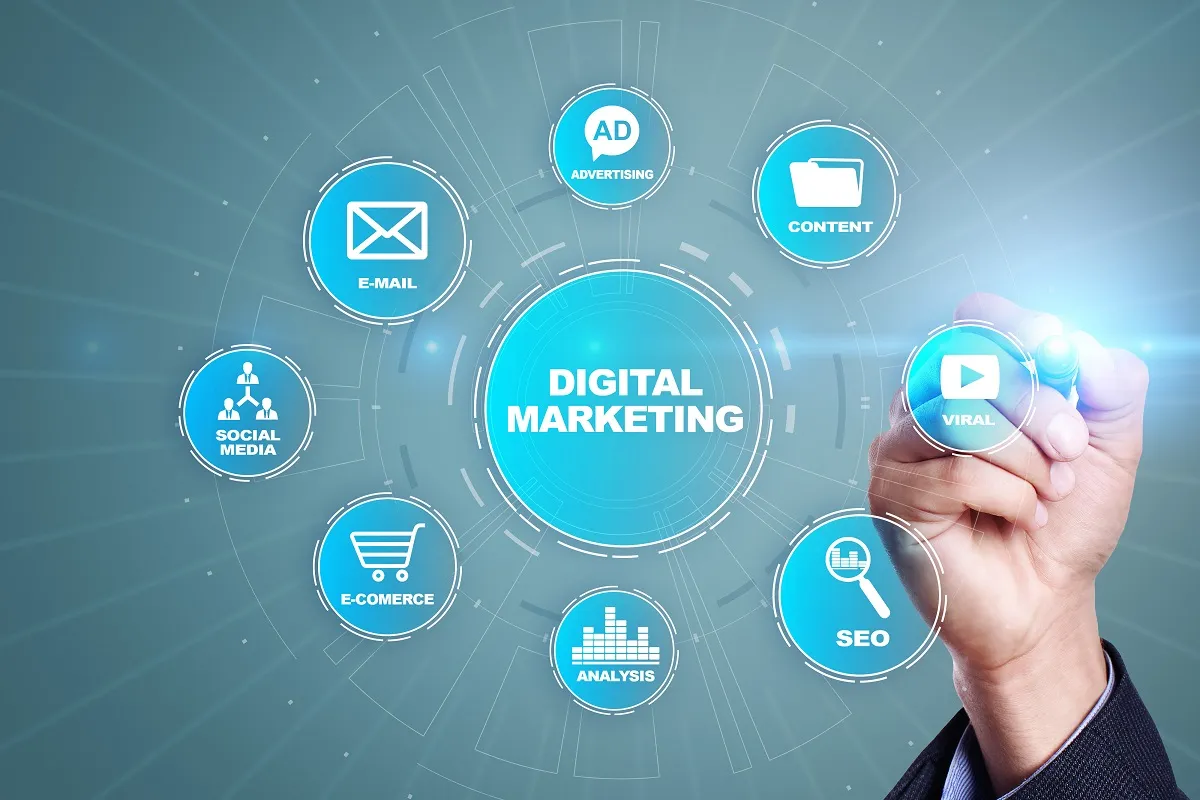
The digital revolution has transformed business marketing, shifting the focus to online platforms and social media channels. Websites, email marketing, social media, SEO, and online advertising have become integral to any marketing strategy. Consumers today spend significant time on social platforms like Facebook, Instagram, Twitter, and TikTok, making them prime targets for brand engagement.

One of the most impactful changes has been the rise of content marketing. Businesses now create valuable, informative, and entertaining content—such as blogs, videos, and podcasts—that speaks directly to their target audience. This content builds trust and positions the business as a thought leader in the industry, ultimately driving more customers to take action.
Data-Driven Marketing: The Key to Personalization
In the past, marketing was often a one-size-fits-all approach. However, the use of data analytics has shifted the paradigm, allowing businesses to personalize their marketing efforts. By leveraging customer data—such as browsing behavior, purchase history, and demographic information—companies can tailor their messaging to suit individual preferences. Personalized marketing not only boosts engagement but also enhances customer satisfaction, as consumers feel understood and valued.
Tools like customer relationship management (CRM) systems and marketing automation platforms have further revolutionized how businesses manage their marketing efforts. These tools allow companies to segment their audience, create targeted campaigns, and track results in real time.
The Importance of Brand Identity
In a competitive marketplace, businesses need more than just great products or services—they need a strong, distinct brand identity. Your brand is how your customers perceive your business and can be a deciding factor in whether they choose you over a competitor. Building a solid brand identity involves defining your core values, mission, and vision, and consistently conveying them through every touchpoint with your audience.
Your brand’s tone, voice, and visual identity should be reflected in all of your marketing materials, whether it’s your website, social media posts, or ads. Creating an emotional connection with customers through storytelling and authenticity can significantly boost brand loyalty, which translates into long-term success.
The Future of Business Marketing
As technology continues to evolve, so will business marketing. From artificial intelligence and machine learning to virtual reality and augmented reality, new tools and trends are shaping the future of marketing. Staying ahead of these changes and adapting to new technologies will be key for businesses that want to stay relevant.
Furthermore, as consumers become more conscious about privacy and data protection, ethical marketing practices will become even more important. Businesses that prioritize transparency and trust will be better positioned to build lasting relationships with their customers.
Conclusion
In conclusion, business marketing is a dynamic and evolving field that plays a pivotal role in the success of any company. By understanding the changing landscape and embracing digital tools, data-driven strategies, and strong brand identities, businesses can stay competitive and continue to thrive in an ever-changing marketplace. The key to success lies in connecting with your audience in a meaningful way, building trust, and staying agile in response to emerging trends. With the right approach, marketing can become the engine that drives growth and sustainability for years to come.
About the Author


