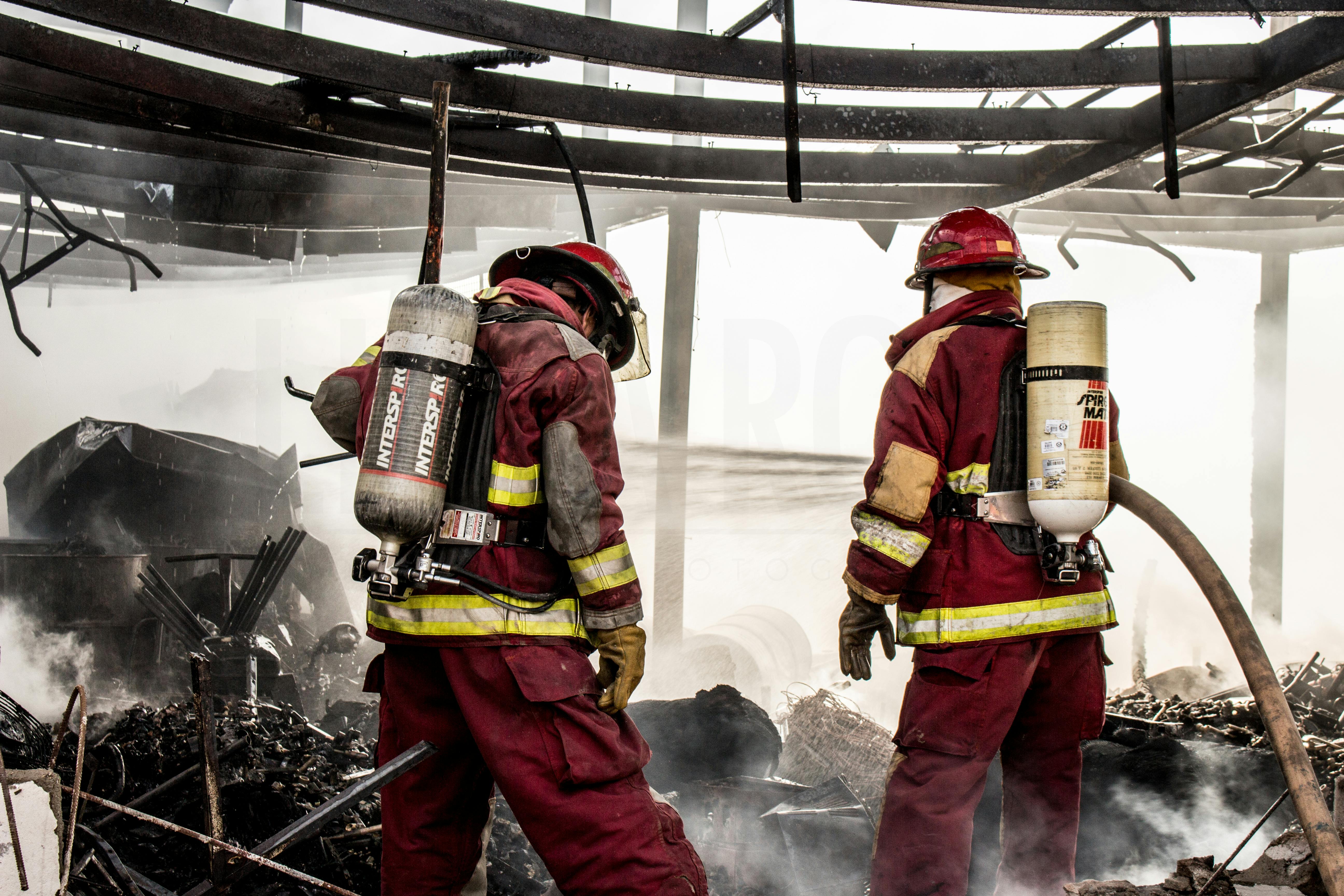
Soot exposure is a common aftermath of fires, and it poses significant health risks if not addressed promptly and effectively. Soot particles, often microscopic and difficult to detect, can infiltrate homes and buildings, exacerbating respiratory issues and causing long-term structural damage. Professional intervention is crucial to ensure a thorough and safe cleaning process, mitigating potential hazards and restoring the affected area to its original condition.
Understanding Soot and Its Risks
Soot is a black, powdery substance primarily composed of carbon. It results from the incomplete combustion of organic materials. The risks associated with soot exposure include:
- Respiratory problems due to inhalation of fine particles.
- Skin irritation upon contact.
- Potential structural damage to buildings and personal belongings.
- Lingering unpleasant odors that can permeate into fabrics and materials.
Professional cleaning services utilize advanced techniques to handle these risks effectively. Discover expert strategies here to safeguard your environment from these dangers.
Why Choose Professional Soot Removal?
Expertise and Experience
Trained professionals possess the necessary skills and experience to tackle soot exposure comprehensively. They employ specialized equipment and strategies tailored to the specific needs of each situation. Learn about our tailored solutions and how they can be applied effectively to your unique circumstances.
Advanced Equipment and Techniques
The proper removal of soot involves more than just cleaning visible surfaces. Professionals use advanced cleaning methods, including:
- HEPA filtration systems to capture fine particles.
- Thermal fogging to eliminate odors.
- Specialized chemical treatments to neutralize soot residues.
These methods ensure thorough cleaning, reducing the risk of lingering health hazards. Explore advanced guides and tips for a deeper understanding of these processes.
Health and Safety Considerations
Addressing soot exposure promptly is vital for maintaining a safe living environment. Delaying professional intervention can lead to prolonged exposure to harmful particles, increasing health risks. By engaging experts, you ensure:
- Compliance with health and safety regulations.
- Protection of occupants from potential respiratory ailments.
- Preservation of property value by preventing structural damage.
Find out more about this approach and how it aligns with industry standards to protect your health and home.
Conclusion
Soot exposure, while challenging, can be effectively managed with the right professional help. The combination of expert knowledge, advanced equipment, and a commitment to safety ensures that environments are restored to their pre-damage state efficiently and effectively. Whether dealing with a minor incident or a significant fire, seeking professional assistance is the key to ensuring a safe and healthy recovery.
About the Author


