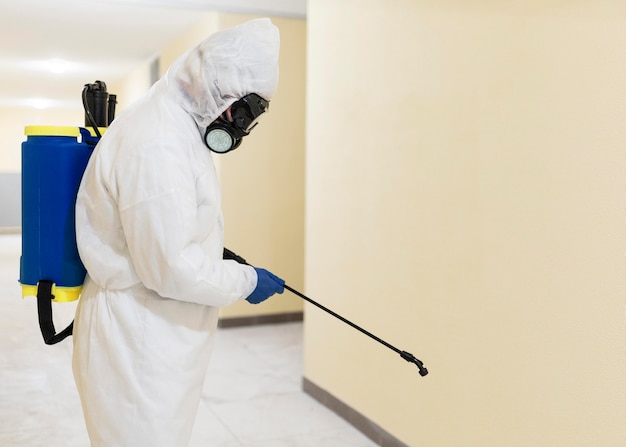
The discovery of a dead rodent on a property can be an unsettling experience that requires prompt and effective action. Not only does a dead rodent pose potential health risks, but it can also lead to unpleasant odors and attract other pests. When faced with this situation, it is crucial to adopt quick and efficient strategies to remove the carcass and sanitize the area. Understanding the steps involved and the importance of professional guidance can make a significant difference in ensuring a safe and clean environment.
Understanding the Risks
Dead rodents can pose several risks that necessitate immediate attention:
- Health Hazards: Decomposing rodents can release harmful bacteria and viruses, which can be dangerous to humans and pets.
- Pest Attraction: The carcass can attract other pests such as flies and maggots, compounding the problem.
- Unpleasant Odors: The decomposition process produces foul odors that can permeate the property.
Learn about our tailored solutions to manage these risks effectively: Discover expert strategies here.
Steps to Take for Safe Removal
1. Protective Measures
Before proceeding with removal, personal protection is paramount. Equip yourself with:
- Gloves: Use disposable gloves to prevent direct contact.
- Mask: Wear a mask to avoid inhaling any airborne pathogens.
- Protective Clothing: Consider wearing old clothes or a disposable suit.
2. Proper Disposal Techniques
To minimize contamination, follow these disposal guidelines:
- Bagging: Seal the rodent in a durable plastic bag.
- Double-Bagging: Place the sealed bag into another to ensure containment.
- Disposal: Contact local waste services for guidance on disposal, adhering to community regulations.
For in-depth disposal procedures, Explore advanced guides and tips.
3. Sanitization of the Area
Effective sanitization is crucial to eliminate pathogens and odors:
- Cleaning: Use a mixture of water and disinfectant to clean the area thoroughly.
- Deodorizing: Apply odor-neutralizing agents to combat any lingering smells.
- Ventilation: Increase airflow in the area to expedite the removal of odors and drying of disinfectants.
Find out more about this approach: Explore advanced guides and tips.
When to Call Professionals
While some individuals may handle minor cases independently, professional intervention is advised in complex scenarios. Consider professional services if:
- The rodent is in an inaccessible location.
- There is an infestation, rather than an isolated incident.
- Repeated occurrences indicate a larger underlying issue.
Professional services offer comprehensive solutions from detection to elimination and prevention. Learn about our tailored solutions.
Prevention Tips
Prevention is always better than cure. Here are steps to reduce the likelihood of rodent issues:
- Seal Entry Points: Regularly inspect and seal cracks or openings in walls and foundations.
- Proper Waste Management: Securely store food and manage waste to minimize attractants.
- Regular Inspections: Conduct routine checks for signs of rodent activity.
For a comprehensive approach, Explore advanced guides and tips.
About the Author


