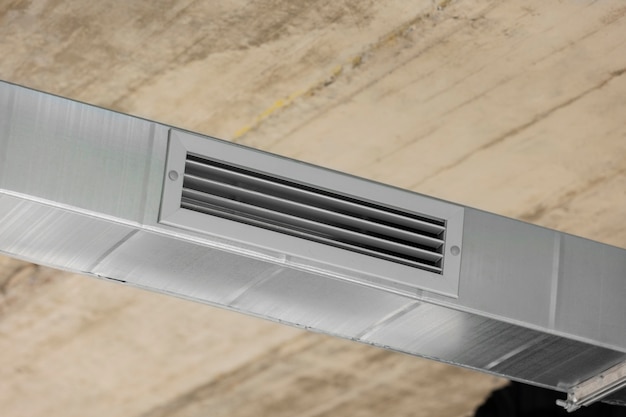
Indoor air quality (IAQ) is increasingly recognized as a critical component of a healthy living environment. As people spend more time indoors, the quality of the air they breathe can significantly influence their overall health and well-being. Poor indoor air quality can result from various factors, including inadequate ventilation, pollutants, and allergens. By conducting indoor air quality tests, individuals can identify and mitigate these risks, leading to improved health outcomes. This article explores how these tests can enhance health and why they are essential for maintaining a healthy indoor environment.
Understanding Indoor Air Quality
Indoor air quality refers to the condition of the air within a building, influenced by a range of factors such as air pollutants, humidity levels, and ventilation efficiency. Poor IAQ can lead to numerous health problems, including:
- Respiratory issues like asthma and allergies
- Fatigue and headaches
- Eye, nose, and throat irritation
- Long-term effects such as heart disease
To mitigate these risks, it is crucial to conduct comprehensive air quality tests that can identify pollutants and sources of poor air quality. Discover expert strategies here to improve indoor air environments.
The Importance of Indoor Air Quality Tests
Indoor air quality tests play a vital role in diagnosing and addressing air quality issues. These tests can help in:
- Identifying pollutants such as volatile organic compounds (VOCs), mold, and radon
- Assessing the effectiveness of ventilation systems
- Providing data to tailor solutions for specific air quality issues
By understanding the specific contaminants present, individuals can take targeted actions to improve their indoor air quality. Learn about our tailored solutions to address various IAQ concerns.
Health Benefits of Improved Indoor Air Quality
Reduced Respiratory Problems
Improved air quality can lead to significant reductions in respiratory issues. By eliminating allergens and irritants, individuals with asthma or allergies may experience fewer symptoms and improved overall health.
Enhanced Cognitive Function
Studies have shown that poor air quality can negatively impact cognitive function, leading to decreased productivity and concentration. Improving air quality can enhance mental clarity and performance. Explore advanced guides and tips to boost cognitive health through better air quality.
Overall Well-being
Beyond physical health, good indoor air quality can contribute to a better quality of life by reducing stress and enhancing comfort levels within the home or workplace. Find out more about this approach to improving overall well-being.
Conclusion
Maintaining healthy indoor air quality is essential for safeguarding health and enhancing the quality of life. Regular indoor air quality testing provides the necessary insights to address potential issues effectively. By understanding and improving the air we breathe indoors, individuals can protect themselves and their families from the adverse effects of poor air quality. For those seeking to create a safer and healthier indoor environment, explore advanced guides and tips to optimize air quality through expert solutions and strategies.
About the Author


