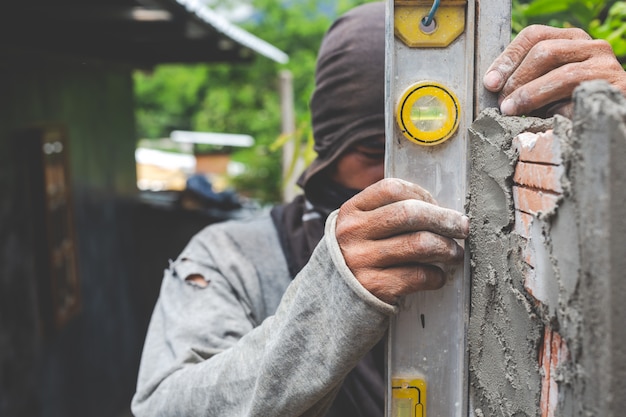
Foundation cracks are a common concern for homeowners and property managers alike, posing potential risks to structural integrity and property value. Addressing these issues promptly and effectively requires understanding the root causes and employing appropriate repair strategies. This guide delves into essential aspects of foundation crack repair, providing insights into identification, assessment, and repair techniques that are integral to maintaining a safe and stable structure.
Identifying Foundation Cracks
Foundation cracks can manifest in various forms, each indicating different underlying issues. Key types include:
- Vertical Cracks: Generally a result of settling or shrinking of concrete.
- Horizontal Cracks: Often caused by soil pressure and can signal serious structural problems.
- Diagonal Cracks: Typically related to differential settlement, where one part of the foundation sinks more than another.
Proper identification is crucial for determining the appropriate repair approach. Discover expert strategies here for assessing foundation cracks accurately.
Assessing the Severity of Cracks
Not all cracks pose the same level of threat. Assessing the severity involves considering several factors:
- Width and Depth: Wider and deeper cracks typically indicate more serious issues.
- Location: Cracks in load-bearing walls are more critical.
- Activity: Active cracks that are growing over time require immediate attention.
Engaging professionals for a comprehensive evaluation can prevent future complications. Learn about our tailored solutions for expert evaluation and assessment.
Repair Techniques for Foundation Cracks
Epoxy Injection
Epoxy injections are suitable for repairing non-moving cracks in concrete foundations. This method seals cracks from water infiltration and restores structural integrity. It is vital to ensure proper surface preparation for effective adhesion.
Explore advanced guides and tips to understand the intricacies of epoxy injection techniques.
Polyurethane Foam Injection
For active leaks, polyurethane foam injection is often the preferred choice. The foam expands upon contact with water, sealing the crack and preventing further moisture intrusion. This method is particularly effective for waterproofing purposes.
Carbon Fiber Reinforcement
When dealing with structural issues, carbon fiber reinforcement provides a robust solution. This technique involves applying carbon fiber strips to the affected area, offering high tensile strength without compromising aesthetics.
Underpinning
For severe cases involving foundation settlement, underpinning might be necessary. This process involves extending the foundation to a more stable soil layer, thereby ensuring long-term stability.
For more information on underpinning and other advanced repair methods, find out more about this approach.
Preventive Measures
In addition to repairing existing cracks, implementing preventive measures can minimize future issues:
- Ensure proper drainage around the foundation to prevent water accumulation.
- Maintain consistent moisture levels in the soil surrounding the foundation.
- Regularly inspect the foundation for early signs of cracking or movement.
Addressing potential problems before they escalate can save significant time and resources. For comprehensive guidance on preventive maintenance, explore advanced guides and tips.
Foundation crack repair requires a blend of expertise, suitable materials, and precise execution. Whether through professional intervention or informed DIY efforts, understanding the nuances of crack types and repair methods is essential for safeguarding the structural soundness of any property.
About the Author


