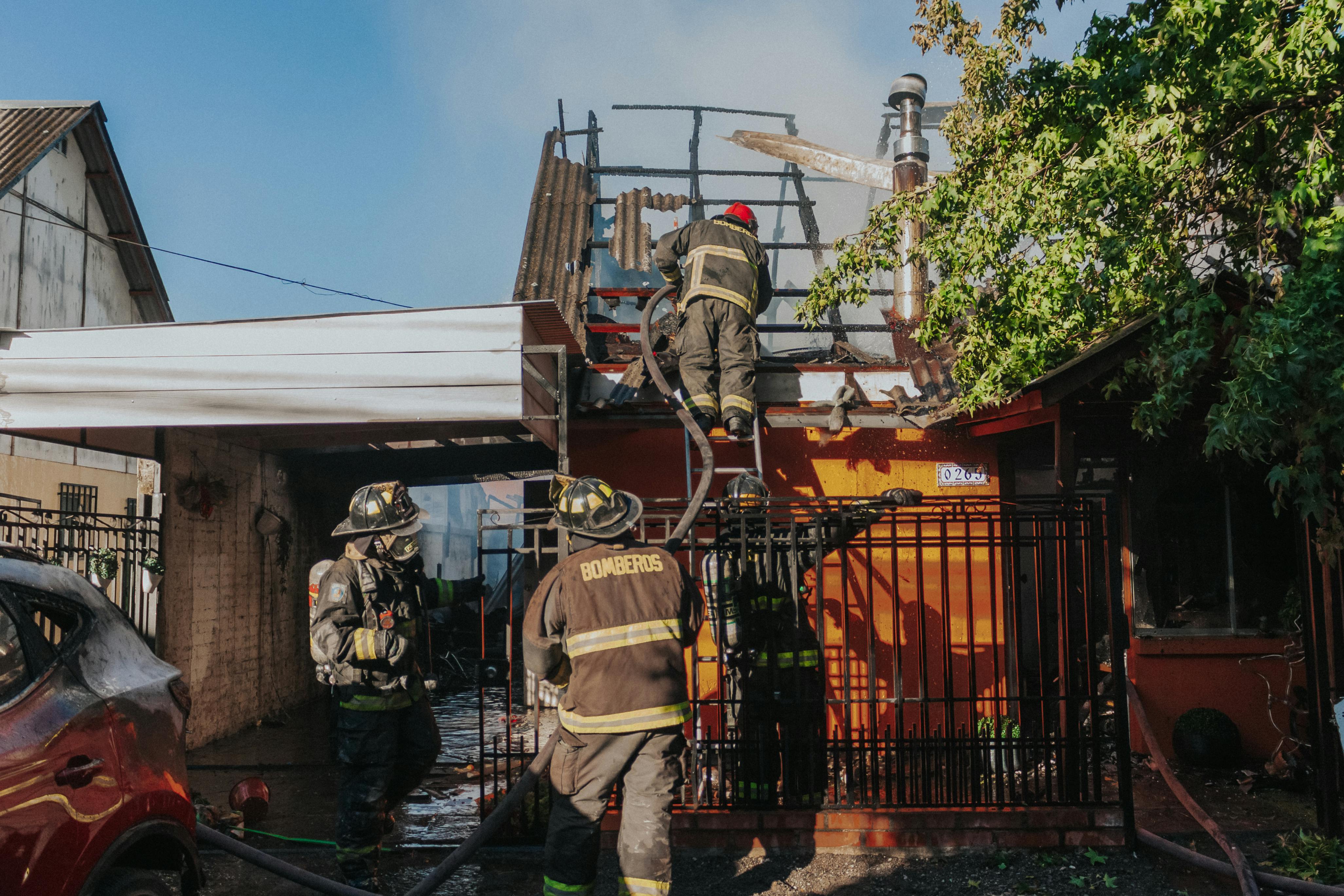
Fire damage to roofs is a critical issue that requires prompt and expert attention, especially in a bustling metropolis like Los Angeles, where the risk of fires is ever-present. Roofs, being the first line of defense against external elements, can suffer significant damage during a fire, leading to structural and safety concerns. Addressing these issues requires a comprehensive understanding of both the damage and the most effective repair strategies. The following sections provide detailed insights into the complexities of fire-damaged roof repair, emphasizing the importance of expertise and precision in restoration efforts.
Understanding Fire Damage on Roofs
Fire damage on roofs can vary widely depending on the intensity and duration of the fire. Common impacts include:
- Structural damage to beams and supports.
- Compromised roofing materials such as shingles, tiles, or metal sheets.
- Potential water damage from firefighting efforts.
- Smoke and soot contamination affecting indoor air quality.
Identifying and evaluating these damages accurately is crucial for effective repair. For a detailed understanding of how to assess and approach these issues, discover expert strategies here.
Key Steps in Fire-Damaged Roof Repair
Repairing a fire-damaged roof involves several critical steps, each requiring specific skills and knowledge:
1. Comprehensive Damage Assessment
The initial phase involves a thorough inspection to determine the extent of damage. This assessment guides the repair plan, ensuring all affected areas are addressed. Learn about our tailored solutions for effective damage assessment.
2. Debris Removal and Cleanup
Removing debris and cleaning the affected areas is essential to prepare the roof for repairs. This step also prevents further damage and ensures a safe working environment.
3. Structural Repairs
Structural repairs may involve replacing or reinforcing damaged beams, rafters, and other support structures. This step is critical to restore the roof’s integrity and safety.
4. Replacing Roofing Materials
Depending on the level of damage, replacing roofing materials such as shingles, tiles, or metal sheets may be necessary. Quality materials should be used to ensure durability and protection against future incidents.
5. Final Inspection and Maintenance Tips
After repairs, a final inspection is conducted to ensure all issues have been addressed. Homeowners are then provided with maintenance tips to preserve the roof’s condition. Explore advanced guides and tips for ongoing roof maintenance post-repair.
Why Choose Professional Repair Services?
Opting for professional repair services offers several benefits, including:
- Expert handling of complex repair needs.
- Use of high-quality materials and techniques.
- Compliance with safety standards and regulations.
- Peace of mind through reliable service and warranties.
Professional services ensure that the roof is not only repaired but also fortified against future risks. Find out more about this approach to ensure your roof is in expert hands.
About the Author


