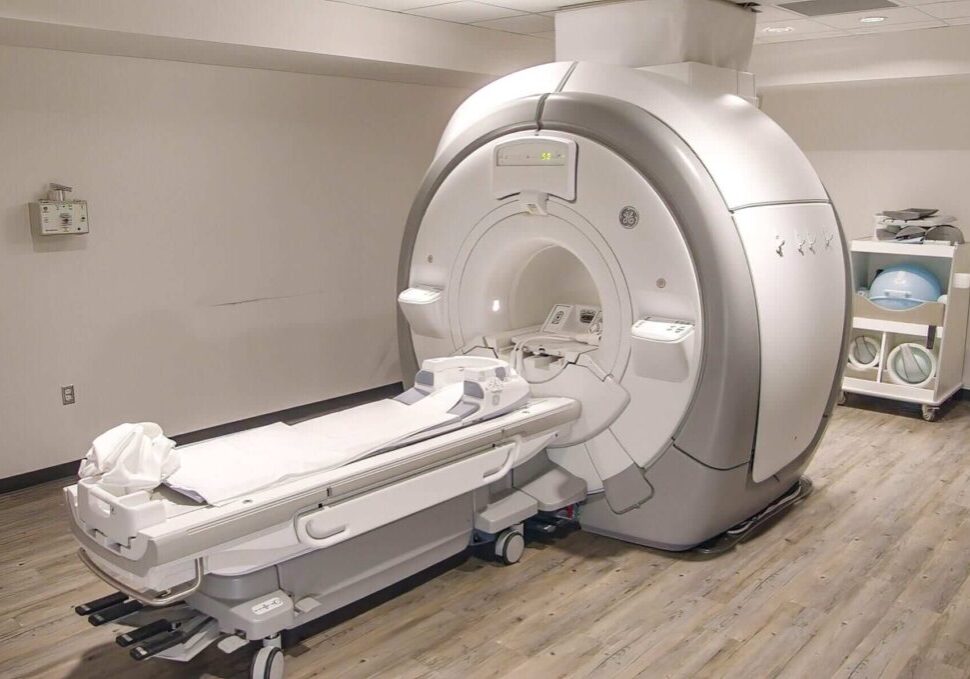
In the ever-evolving landscape of healthcare, enhancing patient care remains a critical objective. Central to this mission is the integration of advanced diagnostic tools such as X-ray services. These services play a pivotal role in accurately diagnosing and treating various medical conditions, thus improving patient outcomes. This article explores the significance of X-ray services in modern healthcare, highlighting their role, benefits, and the future of this indispensable diagnostic tool.
The Role of X-Ray Services in Healthcare
X-ray services are an essential component of diagnostic imaging. They utilize electromagnetic radiation to capture images of the body’s internal structures. These images are crucial for healthcare professionals to:
- Diagnose fractures and dislocations.
- Identify infections such as pneumonia and tuberculosis.
- Detect abnormalities in organs and tissues.
- Guide surgical procedures and monitor post-operative recovery.
Applications in Various Medical Fields
X-ray technology has diverse applications across many medical specialties:
- Orthopedics: Used for assessing bone injuries and joint abnormalities.
- Cardiology: Helps in evaluating heart conditions such as heart enlargement or calcification of blood vessels.
- Respiratory Medicine: Essential for diagnosing lung conditions like pneumonia or chronic obstructive pulmonary disease (COPD).
- Dental Care: Critical for examining teeth and jaw structures.
Benefits of X-Ray Services
The utilization of x ray services provides multiple benefits that enhance patient care:
- Non-Invasive and Quick: X-rays are non-invasive and typically quick to perform, providing immediate insights for diagnosis and treatment planning.
- Cost-Effective: Compared to other imaging techniques, X-rays are generally more affordable, making them accessible to a broader patient population.
- Early Detection of Conditions: X-rays enable early detection of potential health issues, facilitating timely intervention and improving patient prognosis.
- Minimal Radiation Exposure: Modern advancements have significantly reduced radiation exposure, ensuring patient safety during procedures.
The Future of X-Ray Technology
The future of X-ray technology in healthcare is promising, with ongoing advancements enhancing its capabilities:
- Digital X-Rays: Digital imaging offers higher resolution images, improved storage, and easy sharing among healthcare providers.
- 3D Imaging: Innovations in 3D X-ray technology provide more detailed views of anatomical structures, aiding in more accurate diagnoses.
- Artificial Intelligence (AI): AI integration assists radiologists in interpreting X-ray images, enhancing diagnostic accuracy and efficiency.
As technology continues to advance, the application and accuracy of X-ray services will further improve, offering even more precise and comprehensive patient care. The commitment to leveraging state-of-the-art diagnostic tools ensures that healthcare facilities remain at the forefront of medical innovation, ultimately enhancing patient outcomes.
About the Author


