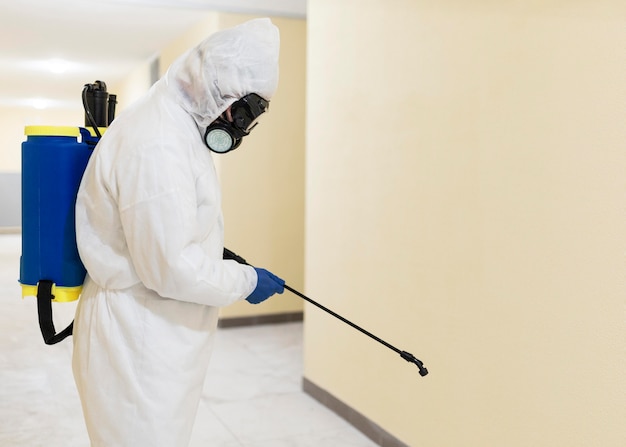
Integrated Pest Management (IPM) is a comprehensive approach to pest control that combines various strategies to minimize the use of harmful chemicals while effectively managing pest populations. This method emphasizes the importance of understanding pest life cycles and their interactions with the environment. By focusing on prevention, monitoring, and control, IPM aims to provide sustainable solutions that protect both human health and the environment. Implementing effective IPM techniques can help maintain a pest-free home, reduce health risks, and promote ecological balance.
Understanding Integrated Pest Management
Integrated Pest Management involves a multi-faceted approach that combines different strategies to achieve long-term pest control. The process begins with proper identification and understanding of the pests to develop an effective management plan. This approach minimizes the reliance on chemical pesticides, focusing instead on prevention and control techniques that are more environmentally friendly.
Key Components of IPM
- Prevention: Removing conditions that attract pests such as food, water, and shelter.
- Monitoring: Regularly inspecting areas to identify pest activity and assess the effectiveness of control measures.
- Control: Implementing strategies such as cultural, biological, and mechanical controls to manage pest populations.
For further insights on managing pests effectively, discover expert strategies here.
Effective IPM Techniques for Homeowners
1. Biological Control
Biological control involves using natural predators or parasites to manage pest populations. This method is environmentally friendly and sustainable, as it reduces the need for chemical pesticides.
- Introduce beneficial insects such as ladybugs and lacewings to control aphid populations.
- Utilize nematodes to manage soil-dwelling pests.
Learn about our tailored solutions for biological pest control.
2. Cultural Control
Cultural controls are practices that reduce pest establishment and reproduction by changing the habitat conditions.
- Maintain cleanliness in and around the home to discourage pests.
- Rotate crops in gardens to prevent the buildup of pest populations.
- Manage waste and dispose of garbage regularly.
3. Mechanical and Physical Controls
These methods involve using physical means to prevent and control pests.
- Install screens on windows and doors to keep pests out.
- Use traps to capture and monitor pest activity.
- Seal cracks and crevices to eliminate entry points.
Explore advanced guides and tips on implementing mechanical controls here.
Monitoring and Evaluation
Monitoring is a critical component of IPM that involves the regular observation and assessment of pest activity and control measures. This enables homeowners to make informed decisions about the need for additional interventions.
- Use sticky traps to monitor insect activity.
- Conduct regular inspections of plants and structures for signs of pests.
- Keep records of pest sightings and control measures taken.
For more information on monitoring techniques, find out more about this approach.
Conclusion
Implementing Integrated Pest Management techniques effectively helps protect homes from pest infestations in a sustainable manner. By combining prevention, monitoring, and control strategies, homeowners can reduce reliance on chemical pesticides and promote a healthier environment. Understanding and applying these IPM techniques is essential for maintaining a pest-free home. For additional resources and guidance, consider exploring more about these methods through reputable sources.
About the Author


