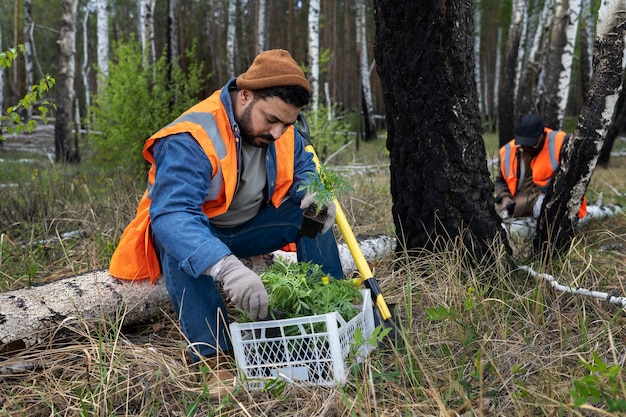
Managing wildlife on your property effectively requires a blend of knowledge, strategies, and a commitment to maintaining ecological balance. With the increasing interaction between human habitats and wildlife, it is crucial to implement comprehensive wildlife management services. These services not only protect human interests but also ensure the conservation of wildlife populations and their habitats. By using expert strategies, property owners can achieve a harmonious coexistence with nature.
Understanding Wildlife Management
Wildlife management involves a series of practices aimed at conserving wildlife species and their habitats. The goal is to maintain biodiversity while mitigating human-wildlife conflicts. Key components include:
- Assessment of wildlife populations and habitats.
- Implementation of conservation practices.
- Conflict resolution between humans and wildlife.
- Monitoring and research to guide future strategies.
Discover expert strategies here to effectively manage wildlife on your property.
Importance of Tailored Solutions
Each property and landscape is unique, requiring customized management solutions to address specific challenges. Tailored wildlife management plans consider:
- The specific wildlife species present.
- The ecological characteristics of the property.
- Human activities and their impact on wildlife.
- Long-term sustainability and conservation goals.
Learn about our tailored solutions and how they can be adapted to fit your property’s needs.
Advanced Techniques in Wildlife Management
Use of Technology
Modern wildlife management employs advanced technology to enhance monitoring and research. Technologies such as drones, GPS tracking, and remote sensors provide valuable data on wildlife movements and habitat conditions. These tools assist in:
- Tracking animal populations and movements.
- Identifying critical habitats and corridors.
- Assessing the impact of human activities on wildlife.
Explore advanced guides and tips for integrating technology into your wildlife management practices.
Community Involvement
Effective wildlife management often involves the local community, fostering a shared responsibility for conservation. Engaging with local stakeholders can lead to:
- Increased awareness and education about wildlife issues.
- Collaborative efforts in habitat restoration and conservation.
- Shared strategies for managing human-wildlife interactions.
Find out more about this approach and how community involvement can enhance your wildlife management efforts.
Challenges and Solutions
While wildlife management provides numerous benefits, it also presents challenges such as habitat loss, climate change, and human encroachment. Addressing these challenges requires:
- Adaptive management strategies that respond to changing conditions.
- Collaborative partnerships with conservation organizations.
- Public education and policy advocacy to support conservation efforts.
By leveraging expert insights and innovative solutions, property owners can effectively address these challenges. Explore advanced guides and tips for overcoming common obstacles in wildlife management.
Comprehensive wildlife management services are essential for ensuring the health and sustainability of both human and wildlife communities. By employing expert strategies, tailored solutions, and community involvement, property owners can foster a balanced relationship with nature. To learn more about effective wildlife management practices, visit the following resource: Explore advanced guides and tips.
About the Author


