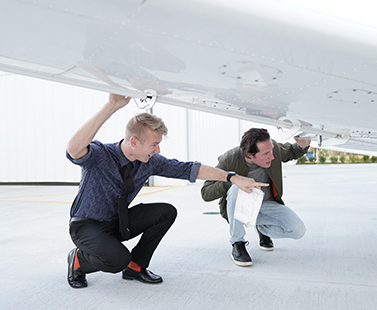
Embarking on the journey to become a private pilot is more than just a thrilling adventure; it’s an opportunity to unlock your potential and open doors to new horizons. While flying is often perceived as a pastime for the elite, private pilot training offers a unique experience that combines passion with skill development. This path not only nurtures your love for aviation but also equips you with valuable life skills, such as decision-making, discipline, and confidence. Whether you aim to fly for leisure or as a stepping stone to a professional aviation career, private pilot training is an investment in yourself and your future.
The Benefits of Private Pilot Training
Private pilot training provides a multitude of benefits, making it a worthwhile pursuit for many aviation enthusiasts. Here are some key advantages:
- Personal Growth: Develops critical thinking and problem-solving skills.
- Flexibility: Offers the ability to travel on your own schedule.
- Networking: Connects you with a community of aviation professionals.
- Career Opportunities: Serves as a foundation for more advanced pilot certifications.
To delve deeper into these benefits, discover expert strategies here.
Understanding the Training Process
Ground School
Ground school is the bedrock of private pilot training, where you learn the theoretical aspects of flying. This includes:
- Aerodynamics: Understanding the principles that enable flight.
- Navigation: Learning to plot courses and use navigation aids.
- Meteorology: Studying weather patterns and their impact on flight.
- Regulations: Familiarizing with aviation laws and safety protocols.
For a comprehensive guide on ground school topics, explore advanced guides and tips.
Flight Training
Flight training is where theory meets practice. Under the guidance of experienced instructors, you’ll learn:
- Aircraft Operations: Mastering controls and maneuvers.
- Emergency Procedures: Preparing for in-flight contingencies.
- Solo Flight: Building confidence to fly independently.
- Cross-Country Flights: Planning and executing longer journeys.
To understand the nuances of flight training, learn about our tailored solutions.
The Path to Certification
Obtaining a private pilot’s license (PPL) is a structured process, culminating in a final examination. The key stages include:
- Medical Examination: Ensuring fitness to fly.
- Written Test: Assessing your knowledge of aviation theory.
- Practical Test: Demonstrating flying proficiency to an examiner.
To prepare effectively for certification, find out more about this approach.
Exploring Future Opportunities
A private pilot’s license opens up a plethora of opportunities. Some options to consider include:
- Recreational Flying: Exploring new destinations at your leisure.
- Advanced Training: Pursuing additional ratings or a commercial pilot’s license.
- Aviation Careers: Entering the field of aviation as a professional pilot.
- Community Involvement: Joining flying clubs and participating in events.
To explore these opportunities further, discover expert strategies here.
Private pilot training is a transformative experience that extends beyond the cockpit. It fosters a spirit of adventure, a commitment to lifelong learning, and a bond with the aviation community. By embracing this path, individuals not only gain the skills needed to soar but also the confidence to pursue their dreams, both in the air and on the ground. For those ready to embark on this journey, the skies are indeed the limit.
About the Author


