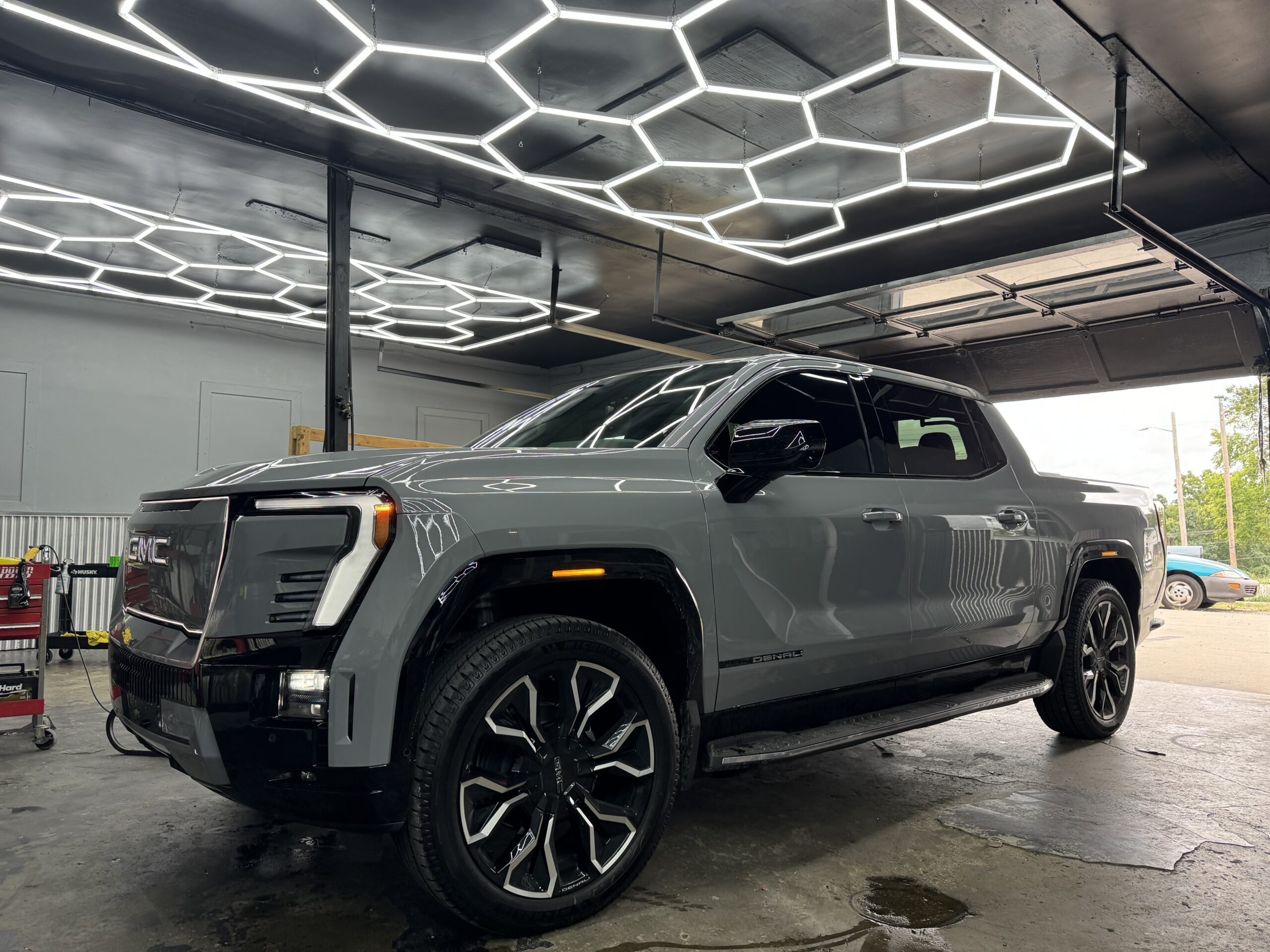
As energy costs continue to rise and environmental concerns become increasingly pressing, homeowners and businesses alike are seeking effective methods to enhance energy efficiency. Window tinting has emerged as a practical solution, offering numerous benefits that extend beyond mere aesthetics. This guide explores how window tinting can contribute to energy efficiency, detailing the advantages and considerations involved in selecting and installing the right tint for both residential and commercial properties.
Understanding Window Tinting
Window tinting involves the application of a thin film to the interior or exterior of glass surfaces. This film can serve multiple purposes, from reducing glare and blocking harmful UV rays to enhancing privacy and security. However, one of its most significant benefits is its ability to improve energy efficiency by controlling the amount of heat entering or exiting a building.
The Energy Efficiency Benefits of Window Tinting
Window tinting offers several energy-saving benefits, including:
- Reduced Energy Consumption: By minimizing the amount of heat entering a property during the summer and retaining heat during the winter, window tinting reduces the reliance on air conditioning and heating systems.
- Lower Utility Bills: With decreased energy consumption comes reduced utility expenses, providing long-term savings.
- Improved Comfort: Consistent indoor temperatures enhance occupant comfort, eliminating hot and cold spots.
- UV Protection: Tinting films block up to 99% of harmful UV rays, protecting interior furnishings from fading and degradation.
Choosing the Right Window Tint
Factors to Consider
When selecting a window tint, consider the following factors to ensure optimal energy efficiency:
- Type of Film: Different films offer varying levels of heat rejection, UV protection, and glare reduction. Explore advanced guides and tips on selecting the right film for your needs.
- Visible Light Transmission (VLT): VLT refers to the amount of visible light that passes through the tint. Lower VLT percentages mean less light penetration, which can influence aesthetics and interior brightness.
- Local Climate: The effectiveness of window tinting can vary based on local weather conditions. Consider how the climate impacts your energy use and choose a tint that complements these factors.
- Professional Installation: Proper installation is crucial to maximize the benefits of window tinting. Learn about our tailored solutions for professional installation services.
Installation and Maintenance
The Installation Process
Professional installation ensures the tint adheres correctly and functions as intended. The process typically involves cleaning the glass surface, cutting the film to fit, and applying it with precision to avoid bubbles and creases. Discover expert strategies here for a seamless installation experience.
Maintaining Window Tint
Proper maintenance extends the lifespan of window tint. After installation:
- Allow the film to cure for several days before cleaning.
- Use non-abrasive cleaners and soft cloths to avoid scratching the film.
- Avoid using ammonia-based products, which can degrade the tint over time.
For more detailed care instructions, find out more about this approach.
Conclusion
Window tinting offers a sustainable solution to improve energy efficiency, providing economic and environmental benefits. By choosing the appropriate tint and ensuring professional installation, both homeowners and businesses can enjoy reduced energy costs and enhanced indoor comfort. For those considering window tinting, consulting with professionals and accessing advanced guides and tips can lead to informed decisions and optimal results.
About the Author


